

Smart Implants Market Surges as AI, Sensors, and Wireless Monitoring Transform Modern Implantable Medical Devices
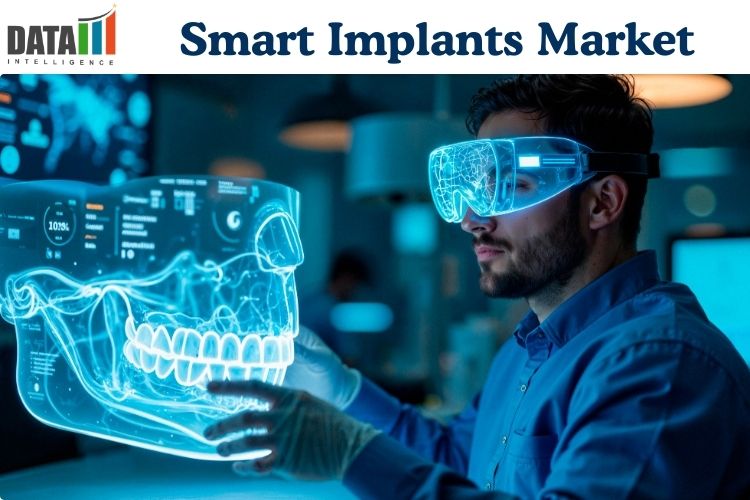
Smart Implants Market
Smart implant technologies are transforming orthopedics, cardiology, and neurology through real-time monitoring and intelligent healthcare insights.
Smart implants are reshaping personalized medicine by delivering real-time physiological data, allowing healthcare providers to detect complications early and optimize post-surgical care strategies.”
AUSTIN, TX, UNITED STATES, March 10, 2026 /EINPresswire.com/ -- The Smart Implants Market is rapidly evolving as healthcare systems increasingly adopt advanced implantable devices integrated with sensors, wireless connectivity, and data monitoring capabilities. Smart implants are designed to provide real-time insights into a patient’s physiological conditions and the performance of the implant itself. These devices are widely used in orthopedic procedures, cardiovascular treatments, dental restorations, and neurological applications. Unlike traditional implants, smart implants enable continuous monitoring of parameters such as pressure, movement, temperature, and biological responses, allowing healthcare providers to detect complications early and improve post-surgical outcomes. The growing integration of digital health technologies, including artificial intelligence, remote monitoring systems, and the Internet of Medical Things (IoMT), is transforming implantable medical devices into intelligent healthcare solutions.— DataM Intelligence
According to DataM Intelligence, the global smart implants market size reached US$ 4.62 Billion in 2023, increasing to US$ 5.31 Billion in 2024, and is expected to reach US$ 20.42 Billion by 2033, growing at a CAGR of 16.2% during the forecast period (2025–2033). The rapid growth of this market is primarily driven by the increasing prevalence of chronic diseases, the rising number of orthopedic and cardiovascular surgeries, and growing demand for minimally invasive and technologically advanced treatment solutions. Among product segments, orthopedic smart implants dominate the market due to the rising number of joint replacement surgeries and musculoskeletal disorders globally. Geographically, North America leads the smart implants market, supported by strong healthcare infrastructure, early adoption of digital health technologies, and significant investments in medical device research and innovation.
Key Highlights from the Report:
➤ The Smart Implants Market is projected to grow at a strong CAGR of 16.2% between 2025 and 2033.
➤ Orthopedic smart implants represent the leading segment due to the increasing number of joint replacement procedures worldwide.
➤ Integration of sensor technologies and wireless communication systems is transforming implant monitoring and patient management.
➤ Hospitals account for the largest share of end-users due to the high volume of implant procedures performed globally.
➤ North America remains the dominant regional market due to strong healthcare infrastructure and advanced medical technologies.
➤ Increasing adoption of remote patient monitoring and digital healthcare platforms is supporting the growth of smart implants.
Request Executive Market Briefing: https://www.datamintelligence.com/download-sample/smart-implants-market
Recent Developments:
October 2025: Medtronic plc introduced a next-generation smart spinal implant equipped with embedded sensors that enable real-time monitoring of spinal load and post-surgical healing. The device allows physicians to remotely track patient recovery data, helping improve post-operative outcomes and reduce complications in spinal surgery.
September 2025: Zimmer Biomet launched an advanced smart knee implant platform integrating micro-sensors and wireless connectivity. The technology provides surgeons and patients with insights into joint movement, implant alignment, and rehabilitation progress, supporting personalized orthopedic care and improved long-term implant performance.
July 2025: Abbott Laboratories expanded its smart cardiovascular implant portfolio with an upgraded implantable cardiac monitoring system capable of transmitting real-time heart rhythm data to cloud-based clinical platforms. The development enhances remote patient monitoring and supports early detection of cardiac abnormalities.
April 2025: BIOTRONIK introduced a new generation of intelligent pacemakers with extended battery life and AI-assisted diagnostics. These implants analyze patient heart activity and automatically adjust therapy settings, improving treatment efficiency for individuals with chronic cardiac conditions.
Mergers & Acquisitions:
December 2025: Stryker Corporation acquired a digital health startup specializing in implant sensor technology to strengthen its capabilities in smart orthopedic implants and connected surgical solutions.
October 2025: Boston Scientific completed the acquisition of a wearable and implantable monitoring technology developer, enhancing its portfolio of connected cardiac devices and remote patient monitoring systems.
August 2025: Smith+Nephew acquired a medical analytics firm focused on implant performance tracking and predictive analytics. The move supports the company’s strategy to integrate digital intelligence into orthopedic implants.
June 2025: Johnson & Johnson MedTech acquired a startup developing AI-enabled smart implant platforms designed to capture biomechanical data after joint replacement surgeries, strengthening its position in the digital orthopedics ecosystem.
Company Insights
Key companies operating in the Smart Implants Market include:
Medtronic plc
Impulse Dynamics
Abbott.
NeuroPace, Inc.
DSI LTD
Boston Scientific Corporation
Zimmer Biomet
Saluda Medical
Cochlear Ltd
Dexcom, Inc.
Senseonics, Inc
Request Custom Intelligence Report: https://www.datamintelligence.com/customize/smart-implants-market
Market Segmentation:
The Smart Implants Market is segmented based on product type, application, end-user, and technology integration, reflecting the diverse range of implantable devices used in modern healthcare.
Based on product type, the market includes orthopedic implants, cardiovascular implants, dental implants, neurological implants, and other specialized implantable devices. Orthopedic smart implants hold the largest market share because of the rising prevalence of bone disorders such as osteoarthritis, fractures, and degenerative joint diseases. These implants are equipped with sensors that track movement, pressure distribution, and implant stability, helping physicians monitor recovery progress and identify potential complications. Cardiovascular smart implants, including implantable cardiac monitors and smart pacemakers, are also gaining traction as they enable continuous heart monitoring and timely medical intervention.
In terms of application, smart implants are widely utilized in orthopedics, cardiology, dentistry, and neurology. Orthopedic applications dominate the market due to increasing demand for hip, knee, and spinal implants among the aging population. Meanwhile, smart cardiovascular implants are experiencing strong growth as cardiovascular diseases remain one of the leading causes of mortality worldwide.
Based on end-users, the market is categorized into hospitals, specialty clinics, ambulatory surgical centers, and research institutions. Hospitals account for the largest share as they perform the majority of implant surgeries and possess the advanced infrastructure required for complex procedures. Ambulatory surgical centers are gradually expanding their role due to the increasing shift toward outpatient surgical procedures and cost-effective healthcare solutions.
Another important segmentation factor involves connectivity technologies, including Bluetooth-enabled implants, RFID-enabled devices, and cloud-connected monitoring systems. These technologies allow physicians to access implant performance data remotely, enabling better patient monitoring and improved healthcare decision-making.
Market Dynamics:
Market Drivers
One of the major drivers of the Smart Implants Market is the rising global burden of chronic diseases and age-related health conditions. Musculoskeletal disorders, cardiovascular diseases, and neurological disorders are becoming increasingly common, particularly among the aging population. Smart implants offer significant advantages by providing continuous monitoring of physiological parameters and implant performance, allowing healthcare professionals to detect potential complications early and improve patient outcomes.
Another important growth driver is the rapid advancement of sensor technologies, artificial intelligence, and wireless communication systems. These innovations enable implants to collect, process, and transmit real-time health data, allowing physicians to monitor patient recovery remotely and make more informed clinical decisions. The growing adoption of digital healthcare platforms and connected medical devices is further accelerating the demand for smart implant technologies.
Market Restraints
Despite strong growth potential, several challenges may limit the expansion of the Smart Implants Market. One of the major restraints is the high cost associated with smart implant technologies. These devices require complex manufacturing processes and advanced electronic components such as micro-sensors and communication modules, which increase overall product costs.
Additionally, regulatory approval processes for implantable medical devices are often strict and time-consuming. Manufacturers must comply with stringent safety and performance standards before launching products in the market. Concerns related to cybersecurity and data privacy also pose challenges, as smart implants generate and transmit sensitive patient health information that must be securely protected.
Market Opportunities
The growing adoption of digital health ecosystems and remote patient monitoring presents significant opportunities for the Smart Implants Market. Healthcare providers are increasingly adopting connected medical devices that allow continuous monitoring of patient health outside hospital settings. Smart implants can play a crucial role in supporting this shift toward personalized and data-driven healthcare.
Another promising opportunity lies in the development of AI-enabled predictive implants that can detect early signs of implant failure or disease progression. These advanced technologies can significantly improve patient safety while reducing healthcare costs associated with complications and revision surgeries. Furthermore, expanding healthcare infrastructure in emerging economies offers significant growth opportunities for smart implant manufacturers.
Regional Insights:
North America dominates the Smart Implants Market due to its highly advanced healthcare ecosystem and strong presence of leading medical device manufacturers. The United States plays a crucial role in driving regional growth, supported by significant investments in medical technology innovation, favorable reimbursement policies, and high healthcare expenditure. The widespread adoption of digital health solutions and remote patient monitoring systems further strengthens the demand for smart implants in the region.
Europe is another key market for smart implants, driven by increasing healthcare investments and a rapidly aging population. Countries such as Germany, the United Kingdom, and France are actively adopting advanced implantable medical devices to improve patient outcomes and enhance surgical precision. Government initiatives promoting digital healthcare and medical technology innovation are also supporting market growth in the region.
The Asia-Pacific region is expected to witness the fastest growth during the forecast period. Rapid improvements in healthcare infrastructure, rising medical tourism, and increasing awareness about advanced treatment technologies are driving demand for smart implants in countries such as China, India, Japan, and South Korea. Additionally, the growing prevalence of orthopedic disorders and cardiovascular diseases is contributing to increased demand for advanced implant solutions in the region.
Latin America and the Middle East & Africa are emerging markets for smart implants, supported by increasing healthcare spending and expanding access to modern medical treatments. While adoption rates are currently lower compared to developed regions, improving healthcare infrastructure and rising demand for innovative medical technologies are expected to support market expansion in the coming years.
Frequently Asked Questions (FAQs):
◆ How big is the global Smart Implants Market currently?
◆ What is the expected CAGR of the Smart Implants Market from 2025 to 2033?
◆ Who are the major companies operating in the global Smart Implants Market?
◆ What factors are driving the growth of the Smart Implants Market industry?
◆ Which region is expected to dominate the Smart Implants Market during the forecast period?
Purchase Corporate License | Market Intelligence: https://www.datamintelligence.com/buy-now-page?report=smart-implants-market
Conclusion:
The Smart Implants Market is witnessing significant growth as healthcare systems increasingly adopt advanced implantable devices that combine medical functionality with digital connectivity. Smart implants enable continuous monitoring of patient health and implant performance, helping physicians detect complications early and improve treatment outcomes. The increasing prevalence of chronic diseases, growing aging population, and rising demand for minimally invasive surgical procedures are major factors driving market expansion.
North America currently leads the market due to strong technological innovation and advanced healthcare infrastructure, while Asia-Pacific is expected to witness the fastest growth in the coming years. Despite challenges such as high device costs and regulatory complexities, continuous technological advancements and expanding digital healthcare ecosystems are expected to drive widespread adoption of smart implants globally. As healthcare moves toward more connected and personalized treatment approaches, smart implants will play a crucial role in shaping the future of modern medicine.
Related Reports:
Orthopaedic Implants Market
Implantable Cardiac Pacemaker Treatment Market
Sai Kiran
DataM Intelligence 4market Research LLP
+1 877-441-4866
email us here
Visit us on social media:
LinkedIn
YouTube
X
Legal Disclaimer:
EIN Presswire provides this news content "as is" without warranty of any kind. We do not accept any responsibility or liability for the accuracy, content, images, videos, licenses, completeness, legality, or reliability of the information contained in this article. If you have any complaints or copyright issues related to this article, kindly contact the author above.
